

Harbors of the Digital Age
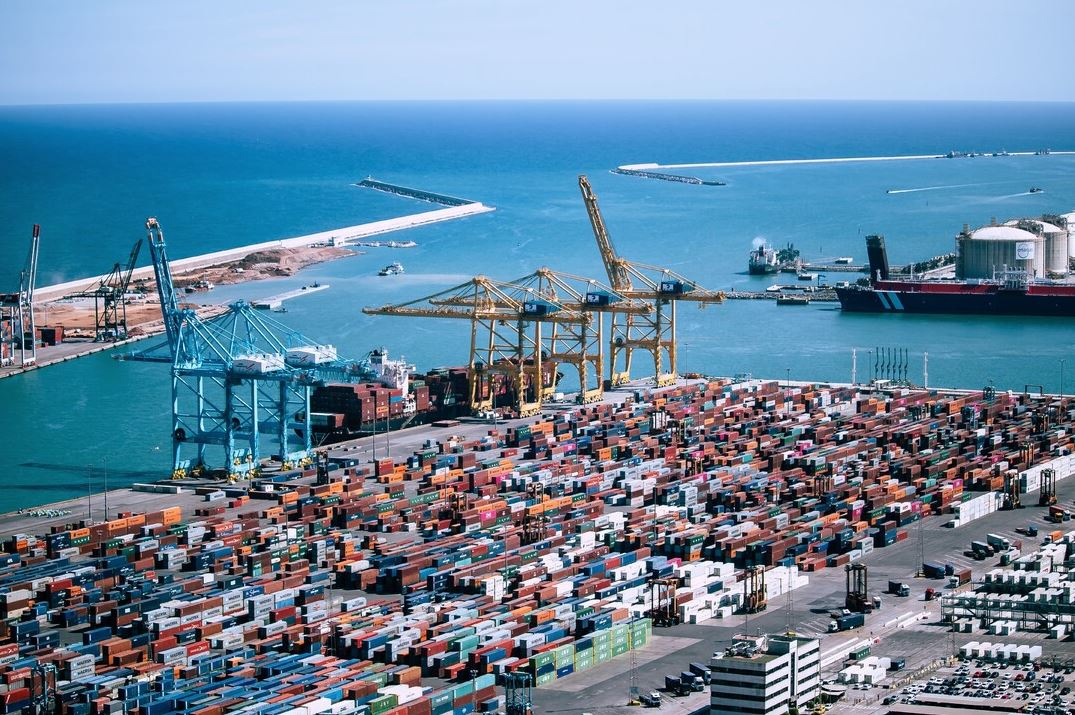
Intelligent Infrastructure, Automation, and Data Connectivity Are Redefining Global Maritime Trade
The Transformation of Maritime Gateways
For centuries, ports have stood as the silent anchors of global trade, their docks echoing with the sound of industry and exchange. In the twenty-first century, that rhythm has changed. Traditional ports, once defined by their cranes and containers, are now evolving into complex digital ecosystems known as smart ports. These facilities integrate advanced technologies such as the Internet of Things, artificial intelligence, and autonomous systems to enhance efficiency, sustainability, and transparency. The transformation of ports is not simply an upgrade of machinery but a reimagining of maritime logistics itself. Data now flows alongside cargo, guiding every movement with precision. Ships communicate directly with terminals, customs systems predict bottlenecks before they occur, and energy consumption adjusts dynamically to operational demands. Smart ports symbolize a new paradigm in trade where intelligence replaces intuition, and connectivity becomes the true measure of power. This transformation underscores a broader shift in the global economy, where digital infrastructure forms the foundation of physical progress, bridging the gap between sea, sky, and silicon.
The Architecture of Automation and Integration
The architecture of smart ports extends far beyond the visible shoreline. Beneath the cranes and containers lies a digital nervous system that connects every component of the operation. Automated guided vehicles transport cargo with minimal human intervention, while robotic cranes perform complex tasks with pinpoint accuracy. Centralized control rooms oversee this symphony through real-time data analytics, ensuring synchronization between sea and land operations. The integration of port management systems, shipping databases, and customs platforms creates a seamless flow of information that eliminates delays and reduces administrative friction. Artificial intelligence enhances decision-making by analyzing historical patterns and forecasting demand, while blockchain technology ensures the authenticity of shipping documents. This convergence of automation and integration reflects the new logic of logistics: speed, reliability, and visibility. Yet, it also represents a philosophical change in how trade is managed. The human role shifts from manual execution to strategic supervision, where operators interpret data rather than handle cargo. The architecture of smart ports demonstrates that the true infrastructure of commerce is now built on algorithms as much as asphalt.
The Role of Connectivity and Data Intelligence
Connectivity lies at the heart of every smart port. The ability to capture, interpret, and transmit data defines its intelligence. Sensors installed across terminals monitor equipment performance, track emissions, and detect anomalies. This constant data stream feeds into digital twins, virtual replicas of the port environment that allow managers to test scenarios and optimize operations without disruption. Cloud computing provides the scalability required to process immense volumes of information, while edge computing enables instant analysis at critical points of activity. Data intelligence transforms reactive logistics into predictive management. A vessel delayed at sea triggers automatic recalibration of berth schedules, while cargo sensors alert customs in advance of arrival. The interconnected ecosystem extends beyond the port itself, linking shipping lines, freight forwarders, and inland logistics providers into a unified digital chain. Connectivity transforms ports from isolated terminals into collaborative platforms, where every participant in the supply chain contributes to and benefits from shared intelligence. In this way, smart ports become not just gateways of goods but networks of knowledge, reshaping the very structure of maritime commerce.
Sustainability and the Green Port Movement
The pursuit of efficiency in smart ports aligns naturally with the pursuit of sustainability. As maritime industries confront the realities of climate change, ports play a crucial role in reducing emissions and preserving ecosystems. Smart technologies enable a new model of environmental management. Automated energy systems adjust lighting, heating, and machinery based on activity levels, minimizing waste. Electric and hydrogen-powered vehicles replace diesel equipment, while renewable energy sources such as solar and wind supply increasing portions of port operations. Data-driven analytics track carbon footprints, providing accountability and facilitating compliance with international standards. The concept of the green port emerges not as a marketing slogan but as an operational necessity. Environmental intelligence is integrated into every layer of planning, from ship routing to waste disposal. Sustainability becomes measurable, traceable, and actionable. The smart port, by design, harmonizes economic growth with ecological stewardship. It transforms environmental responsibility into competitive advantage, demonstrating that progress and preservation need not be adversaries but can thrive together under the guidance of innovation.
The Human Dimension of Intelligent Ports
Despite the prevalence of automation, the human element remains central to the success of smart ports. Technology may drive the machinery, but people drive the strategy. The rise of digital systems has redefined the skills required in maritime logistics. Traditional dockworkers now collaborate with software engineers, data analysts, and cybersecurity experts. Training programs emphasize digital literacy, safety in automated environments, and the interpretation of analytics. The port becomes a living classroom, where human adaptability determines how effectively technology fulfills its promise. The shift toward intelligence does not eliminate jobs but transforms them, replacing repetitive labor with creative problem-solving. Smart ports also influence the communities that surround them. Cleaner operations reduce pollution, while transparent data systems foster trust between stakeholders. As digital transformation accelerates, maintaining inclusivity and ethical oversight becomes paramount. The human dimension ensures that ports remain not just efficient but equitable, preserving the social fabric that underpins every global enterprise. In the age of automation, humanity itself becomes the most sophisticated tool of all.
The Geopolitical and Economic Significance of Smart Ports
Smart ports are more than technological marvels; they are strategic assets in the geopolitics of trade. Nations that invest in intelligent maritime infrastructure gain not only logistical superiority but also diplomatic influence. Control over efficient and transparent trade hubs attracts investment, strengthens supply chain reliability, and enhances national competitiveness. Major initiatives, such as the digitalization of ports in Asia, Europe, and the Middle East, are reshaping global trade routes. The competition to build and operate these hubs reflects broader struggles for economic dominance in an increasingly multipolar world. Smart ports serve as indicators of technological maturity, signaling a country’s capacity to integrate innovation with governance. Moreover, digital ports contribute to regional stability by promoting transparency and reducing corruption. Yet, they also introduce new vulnerabilities, as cyber threats and data espionage emerge as tools of strategic disruption. The geopolitics of smart ports underscores a simple truth: in the modern era, maritime strength is measured not only in tonnage or territory but in information. The ports that harness intelligence become the pillars of a new global order defined by connectivity rather than conquest.
Challenges and Risks in the Digital Transition
The path toward port digitalization is neither simple nor without risk. The integration of advanced technologies demands immense capital, coordination, and vision. Many ports, particularly in developing regions, struggle with outdated infrastructure, limited expertise, and fragmented governance. The transition to smart systems requires not just investment but alignment among governments, operators, and private stakeholders. Cybersecurity presents one of the most pressing challenges. As ports digitize, they become attractive targets for malicious actors seeking to disrupt trade or steal sensitive data. Building resilient systems capable of withstanding attacks is as vital as constructing physical barriers against natural disasters. Interoperability poses another obstacle. Different ports and shipping lines often use incompatible technologies, creating digital silos that hinder collaboration. Standardization efforts are underway, but progress remains uneven. The journey toward smart port maturity is, therefore, a process of adaptation and learning. It demands not only technological upgrades but cultural evolution, a willingness to embrace uncertainty in pursuit of greater efficiency, security, and sustainability across the maritime world.
The Integration of Artificial Intelligence in Port Management
Artificial intelligence stands at the forefront of the smart port revolution. Its capacity to process vast datasets and generate actionable insights transforms how ports plan, operate, and respond to change. Predictive algorithms anticipate vessel arrivals, optimize berth allocation, and manage crane schedules with unparalleled precision. Machine learning models detect anomalies in equipment behavior, preventing costly breakdowns before they occur. AI-driven logistics platforms coordinate multiple stakeholders, ensuring that cargo moves seamlessly from ship to shore and onward through distribution networks. The role of artificial intelligence extends beyond efficiency into the realm of strategy. It supports long-term planning by analyzing trade trends, environmental factors, and geopolitical risks. AI becomes a silent advisor, guiding human decision-makers with clarity and foresight. However, this power requires responsibility. Transparent algorithms, ethical data usage, and human oversight remain essential to prevent bias and maintain accountability. The integration of AI in port management marks a profound shift from reactive administration to anticipatory governance, setting a precedent for how technology can amplify both intelligence and integrity in global trade.
The Future of Connected Harbors
The future of maritime trade belongs to the ports that can think, learn, and adapt. Smart ports represent not the end of progress but its continuation into uncharted territory. As artificial intelligence, automation, and renewable energy converge, the definition of a port expands beyond physical boundaries. Tomorrow’s harbors will exist as hybrid environments, simultaneously material and digital, local and global. The next phase of evolution may see autonomous ships communicating directly with automated terminals, orchestrating global logistics without human delay. Blockchain will ensure trust across every transaction, while quantum computing may unlock optimization capabilities beyond today’s imagination. Yet, amid all this innovation, the core mission remains unchanged: to connect the world through trade. Smart ports embody that mission with renewed clarity, using intelligence to enhance collaboration rather than competition. They remind humanity that progress, at its best, serves connection, sustainability, and shared prosperity. The harbors of the digital age stand as symbols of that promise, vast, intelligent, and ever reaching toward the horizon where technology and humanity meet in the flow of endless possibility.