

At the Crossroads of Commerce and Diplomacy
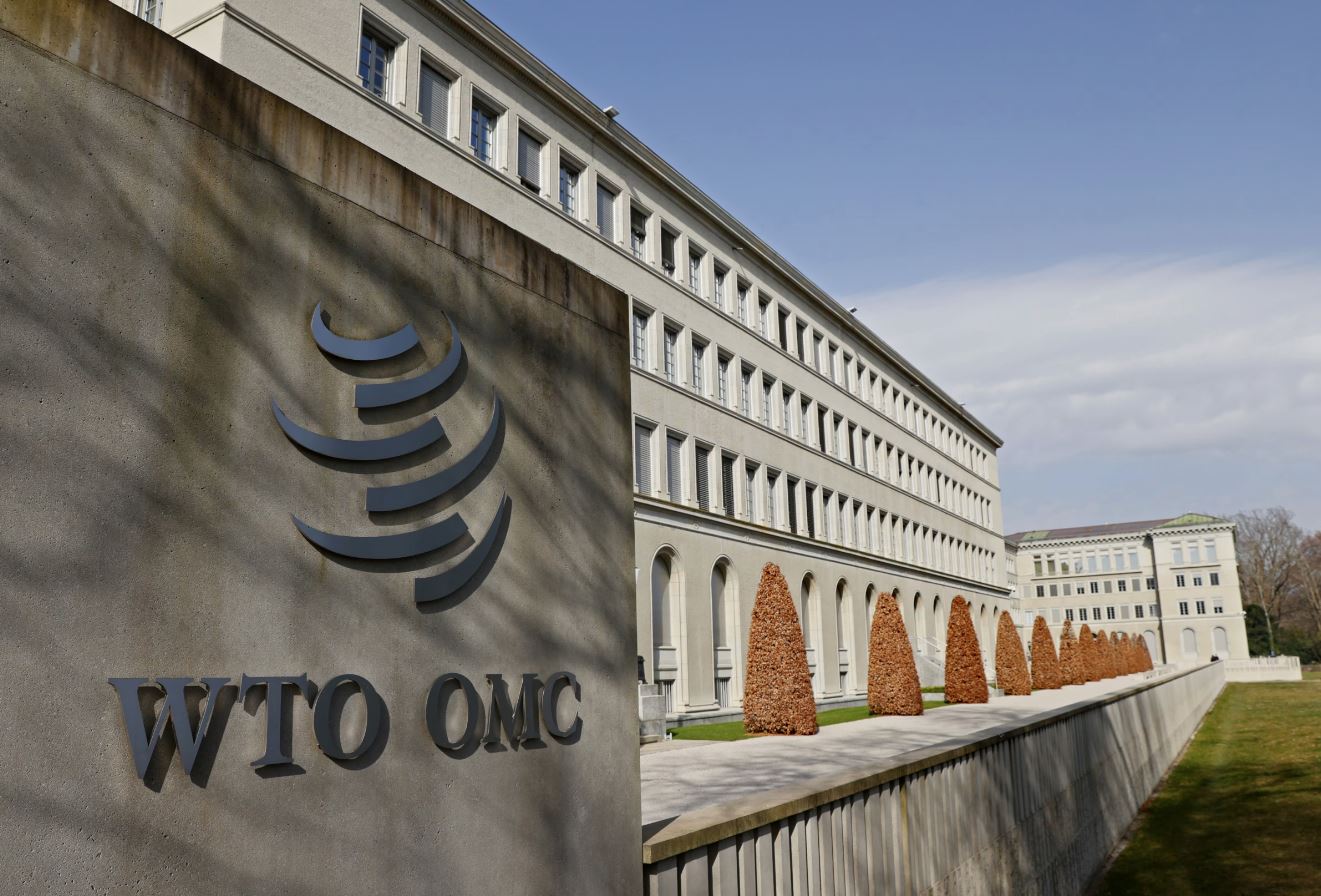
Examining the Evolving Role, Reforms, and Renewed Ambitions of the World Trade Organization in a Fragmented Global Economy
The Changing Landscape of Global Trade Governance
The world economy no longer moves with the uniform rhythm that once defined the age of globalization. Trade has become more regional, more digital, and more politically charged. The World Trade Organization, once seen as the ultimate guardian of multilateralism, now finds itself navigating a vastly more complex terrain. Emerging economies challenge established norms, while developed nations reassert their domestic priorities. The WTO’s original vision of free and fair trade under a unified legal framework faces growing fragmentation as new alliances and regional agreements reshape the flow of commerce. Yet, rather than fading into irrelevance, the organization has entered a period of transformation. Its leadership acknowledges that the rules written in the 1990s cannot fully govern an era driven by artificial intelligence, data sovereignty, and environmental imperatives. Modern trade governance demands agility and inclusion. The challenge before the WTO is not only to adapt but to redefine its purpose in a world where cooperation must coexist with competition, and where every negotiation reflects the delicate balance between national interest and global stability.
The Institutional Struggle for Consensus and Relevance
At the core of the WTO’s mission lies consensus, a principle that once symbolized unity but now serves as its greatest constraint. Every major decision requires unanimous agreement among its members, a near-impossible feat in a forum that represents over 160 economies with divergent priorities. Developed nations seek stronger intellectual property protections and digital trade rules, while developing countries emphasize agricultural subsidies and equitable market access. This divergence has slowed progress on crucial issues, leaving many disputes unresolved. The paralysis of the Appellate Body, the organization’s highest judicial mechanism, further undermined confidence in its ability to enforce rules impartially. Yet, recent efforts suggest signs of renewal. Temporary arbitration systems have emerged to fill the legal void, and members are exploring reforms that would restore a functional dispute settlement process. The institutional struggle of the WTO is not a sign of failure but of transition. Its challenge lies in evolving from a rigid structure designed for uniformity into a dynamic institution capable of reconciling diversity without losing coherence. Consensus, once its anchor, must now become its engine for reinvention.
The Digital Turn in Global Trade Policy
The twenty-first century has ushered in a new kind of commerce that transcends traditional boundaries. The rise of digital trade, encompassing e-commerce, cloud services, and data flows, has created both opportunity and uncertainty. The WTO’s ongoing negotiations on electronic commerce represent one of its most ambitious updates in decades. These discussions aim to establish global standards for data protection, cybersecurity, and taxation of digital transactions. The objective is to prevent a fragmented digital economy where incompatible regulations hinder innovation and market access. However, these negotiations expose the ideological divide between regions. Some nations advocate for unrestricted data movement as a catalyst for innovation, while others emphasize digital sovereignty and consumer privacy. Balancing these perspectives is critical to maintaining trust in cross-border exchanges. The digital turn also challenges traditional trade statistics, as services and intangibles now dominate global value chains. The WTO’s adaptation to this reality demonstrates its potential to remain relevant in a rapidly evolving economy. By embracing technology, it can shift from being a regulator of goods to a guardian of connectivity.
The Green Transition and the Future of Trade Sustainability
Environmental sustainability has become one of the defining pillars of twenty-first-century trade policy. As climate change intensifies, nations are embedding environmental standards into their trade agreements, a trend that the WTO can no longer ignore. The organization’s Committee on Trade and Environment has gained new significance as countries debate carbon border adjustments, green subsidies, and renewable energy incentives. The challenge lies in aligning environmental ambition with equitable development. Developing nations argue that stringent green standards may serve as hidden protectionism, restricting their access to global markets. To bridge this divide, the WTO is exploring frameworks that link trade liberalization with environmental cooperation. Initiatives such as the Trade and Environmental Sustainability Structured Discussions aim to harmonize policy and investment. These efforts signal a shift in the WTO’s identity, from a forum for tariff reduction to a catalyst for sustainable transformation. The future of trade will not be measured solely in volumes or values but in its capacity to preserve the planet that sustains it. The WTO’s embrace of environmental dialogue marks an essential evolution toward that vision.
The Geopolitics of Multilateral Negotiation
Trade has always been political, but in the current era, it has become a central instrument of diplomacy and power. The WTO now operates in a world where geopolitics often overshadows economics. Rivalries among major powers influence negotiations, transforming trade rules into tools of strategic leverage. The rise of regional blocs such as the Comprehensive and Progressive Agreement for Trans-Pacific Partnership and the Regional Comprehensive Economic Partnership reflects both a response to and a challenge for the WTO’s universal model. Meanwhile, the organization serves as neutral ground where nations can still engage in structured dialogue despite broader tensions. Recent discussions surrounding supply chain resilience, vaccine distribution, and food security have demonstrated its continuing value as a mediator. The geopolitics of trade today demand a more flexible and inclusive approach. The WTO’s future depends on its ability to operate as both an arbiter and a convener, creating pathways for cooperation even in an age defined by division. Its endurance lies not in its authority but in its capacity to facilitate conversation when consensus seems impossible.
The Human Dimension of Trade Reform
Behind every tariff reduction and trade dispute lies a human story. The rules set in Geneva affect workers in factories, farmers in rural fields, and entrepreneurs in emerging markets. Yet, trade policy often appears abstract to those it impacts most directly. The WTO’s recent initiatives have sought to humanize its agenda by incorporating gender equality, small business access, and inclusive growth into its framework. Programs supporting women-led enterprises and capacity-building for least developed countries aim to distribute the benefits of globalization more equitably. The COVID-19 pandemic revealed how deeply trade affects public welfare, as supply chain disruptions exposed vulnerabilities in essential goods and medicines. The organization’s facilitation of vaccine distribution through the TRIPS waiver debate exemplifies its evolving focus on humanitarian concerns. Trade is not merely an economic mechanism but a social contract that determines how opportunity is shared across borders. By prioritizing inclusion, the WTO strengthens both its legitimacy and its moral foundation, ensuring that the promise of prosperity remains global rather than exclusive.
The Path Toward Institutional Modernization
Reform within the WTO is no longer a matter of debate but of survival. The organization faces mounting pressure to streamline its bureaucracy, embrace transparency, and modernize its procedures. Proposals for reform include differentiated responsibilities for developed and developing members, improved dispute resolution timelines, and integration of emerging issues such as digital taxation and labor rights. Institutional modernization requires both political courage and administrative innovation. The Secretariat has begun incorporating data analytics and artificial intelligence to improve policy research and monitoring. Partnerships with international organizations, including the World Bank and the International Monetary Fund, have deepened to align economic governance. The future structure of the WTO may look less like a monolithic institution and more like a networked ecosystem, adaptive, collaborative, and responsive to global change. The organization’s resilience will depend on whether it can evolve from an arbiter of disputes into an architect of cooperation. Institutional modernization is not about abandoning tradition but about reviving relevance through transformation grounded in purpose and practicality.
The Role of Emerging Economies in Shaping the New Agenda
The rise of emerging economies has redefined the dynamics of global trade negotiations. Countries such as India, Brazil, China, and Indonesia now hold significant influence within the WTO, challenging the historical dominance of developed nations. Their growing industrial capacity, expanding consumer markets, and assertive diplomacy reshape the balance of power within multilateral institutions. These economies advocate for greater policy space to support domestic industries and protect vulnerable populations. Their collective voice amplifies calls for reform in areas such as agricultural subsidies and intellectual property rights. The inclusion of diverse perspectives enriches the dialogue but also complicates consensus. The WTO’s challenge lies in integrating this plurality into coherent policy. The future of global trade governance depends on the active participation of emerging economies not as beneficiaries but as architects. Their involvement ensures that the next generation of trade rules reflects a truly global perspective, bridging the divide between historical privilege and contemporary potential. The organization’s capacity to embrace this new equilibrium will determine its relevance in the decades ahead.
The Future Vision of Multilateral Cooperation
The World Trade Organization stands at a crossroads, facing the dual imperatives of reform and renewal. The next chapter of global trade will depend on whether it can transform its challenges into opportunities for innovation. Its legitimacy derives not from its past achievements but from its ongoing ability to convene dialogue in an increasingly polarized world. The integration of digital governance, environmental responsibility, and social inclusion into its framework signals a gradual but profound evolution. The WTO of the future will not simply regulate trade but cultivate trust, serving as a compass for cooperation in an age of uncertainty. Its purpose extends beyond economics, it embodies the collective aspiration for a world where interdependence fosters peace rather than rivalry. The task ahead is monumental but not impossible. If the organization continues to adapt, guided by transparency, fairness, and shared responsibility, it can reclaim its role as the anchor of global commerce. The pulse of negotiation still beats strongly, reminding humanity that dialogue, even when difficult, remains the foundation of all progress.